

Is Acrylic Edge Banding waterproof?
May 29, 2026
Leave a message
Hey there! As a supplier of Acrylic Edge Banding, I often get asked the question: “Is Acrylic Edge Banding waterproof?” It's a super important query, especially for those in the furniture industry. So, let's dive right in and explore this topic in detail.
First off, let's understand what acrylic edge banding is. Acrylic edge banding is a popular choice for furniture finishing. It gives a sleek, modern look to furniture edges, making them look more polished and professional. You can find a wide variety of options, like the Edge Band for Furniture, which comes in different colors and styles to match various furniture designs.
Now, back to the big question: is it waterproof? Well, the short answer is yes, to a certain extent. Acrylic itself is a synthetic material that has a natural resistance to water. When used as edge banding, it forms a protective layer on the edges of furniture, which helps prevent water from seeping into the core material of the furniture.
However, it's important to note that “waterproof” doesn’t mean it can withstand being submerged in water for long periods. If you leave your acrylic edge - banded furniture in a pool or under a continuous stream of water for hours, it's going to have problems. But in normal, everyday situations, it does a great job of protecting against spills, splashes, and humidity.
For example, in a kitchen environment, where there are often water splashes from washing dishes or cooking, acrylic edge banding can keep the edges of your cabinets looking good. It resists the water from these minor splashes, preventing the wood or other core materials from swelling, warping, or rotting. The same goes for bathrooms. With the high humidity levels in bathrooms, having acrylic edge banding on your vanities can help maintain their appearance and integrity over time.
But just like any material, there are some factors that can affect the waterproof performance of acrylic edge banding. One of the main factors is the quality of the installation. If the edge banding isn't properly applied, there might be small gaps or areas where water can seep in. This means that hiring a professional or doing a really thorough job if you're DIY - ing is crucial.

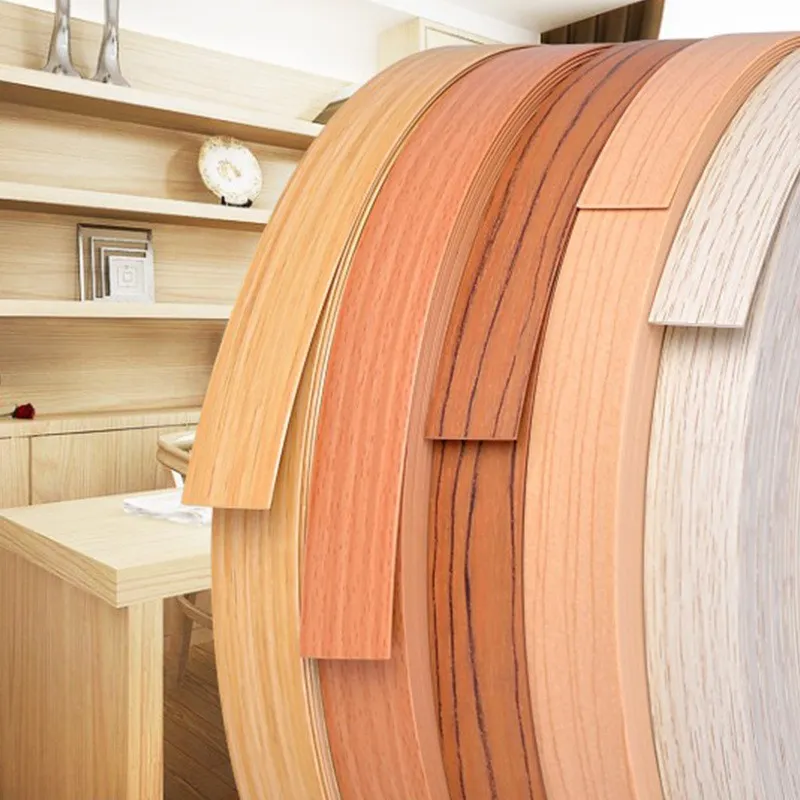
Another factor is the quality of the acrylic edge banding itself. Cheaper, lower - quality acrylic edge banding may not have as good a waterproofing ability as Premium Edge Banding. High - quality banding is usually made with better materials and manufacturing processes, which enhance its resistance to water and other environmental factors.
The type of adhesive used during installation also plays a role. A good adhesive not only secures the edge banding tightly to the furniture but also helps to seal any potential entry points for water. If you use a sub - standard adhesive, water could find its way between the banding and the furniture edge, leading to problems down the line.
When it comes to different types of acrylic edge banding, there are variations in their waterproof capabilities. For instance, solid acrylic edge banding generally offers better waterproofing compared to some laminated or composite acrylic options. Solid acrylic is a more uniform material, which means there are fewer weak points where water can penetrate.
Also, if you're looking for a more natural look while still having good waterproofing, you might consider Wood Veneer with Matching Edge Banding. This combines the beauty of wood with the water - resistant properties of acrylic edge banding. It can be a great option for those who want a rustic or traditional look without sacrificing on protection.
Despite its good waterproofing features, acrylic edge banding isn't completely maintenance - free. To keep it looking its best and ensure its long - term waterproof performance, you should clean it regularly. Use a mild soap and water solution to wipe down the edges, and avoid using abrasive cleaners that could scratch the acrylic surface. A scratch in the acrylic can break the protective layer and reduce its waterproofing ability.
In addition, if you notice any signs of damage to the edge banding, such as peeling or cracking, it's important to address it right away. You can either try to repair it yourself if it's a minor issue or call in a professional for more extensive damage.
So, in conclusion, acrylic edge banding is a great option when it comes to waterproofing furniture edges in normal use. It offers a good balance of protection, aesthetics, and durability. Whether you're a furniture manufacturer looking for high - quality finishing materials or a homeowner wanting to upgrade your furniture, acrylic edge banding can be a smart choice.
If you're interested in learning more about our acrylic edge banding products or want to start a procurement process, feel free to get in touch. We're here to help you find the best solutions for your furniture projects.
References
- Industry knowledge and experience in acrylic edge banding supply
- General research on acrylic materials and their properties in the furniture industry