

Can I use cupboard edge banding on kitchen cupboards?
Jun 12, 2026
Leave a message
Can I use cupboard edge banding on kitchen cupboards?
When it comes to kitchen cupboards, the choice of materials and finishing touches can significantly impact both the aesthetic appeal and the durability of the cabinets. One such crucial element is cupboard edge banding. As a supplier of cupboard edge banding, I am often asked whether it can be used on kitchen cupboards. The answer is a resounding yes, and in this blog, I will delve into the reasons, types, and benefits of using cupboard edge banding in your kitchen.
Why Use Cupboard Edge Banding on Kitchen Cupboards?
-
Enhanced Aesthetics
Kitchen cupboards are a focal point in any kitchen. Cupboard edge banding can transform the look of your cabinets, giving them a more polished and professional appearance. It can cover the raw edges of the cabinet panels, creating a seamless and finished look. Whether you prefer a modern, minimalist style or a more traditional look, there is an edge banding option to suit your taste. -
Protection
The edges of kitchen cupboards are prone to damage from daily use, such as scratches, chips, and moisture. Cupboard edge banding acts as a protective barrier, preventing these issues and extending the lifespan of your cabinets. It can also help to prevent the edges from fraying or delaminating, which can be a common problem with untreated cabinet edges. -
Cost-Effective Solution
Compared to replacing an entire kitchen cabinet, using edge banding is a cost-effective way to update the look of your kitchen. It can give your cabinets a fresh new appearance without the need for a complete renovation. Additionally, edge banding is relatively easy to install, which can save you time and money on labor costs.
Types of Cupboard Edge Banding
-
Flexible Edge Banding
Flexible edge banding is a popular choice for kitchen cupboards, especially for curved or irregularly shaped cabinets. It is made from a flexible material, such as PVC or TPU, which can be easily bent and shaped to fit the contours of the cabinet edges. This type of edge banding is available in a wide range of colors and finishes, allowing you to match it to your cabinet doors and drawers. You can find more information about Flexible Edge Banding. -
Real Wood Edge Banding
For a more natural and luxurious look, real wood edge banding is an excellent option. It is made from real wood veneer, which can add warmth and character to your kitchen cabinets. Real wood edge banding is available in a variety of wood species, such as oak, maple, and cherry, allowing you to choose the one that best matches your cabinet style. However, it is important to note that real wood edge banding requires more maintenance than other types of edge banding, as it can be susceptible to moisture and scratches. You can explore Real Wood Edge Banding. -
Edge Band for Furniture
Edge banding for furniture is a versatile option that can be used on kitchen cupboards as well. It is available in a variety of materials, such as PVC, ABS, and melamine, and can be used to cover the edges of cabinet panels, drawers, and doors. This type of edge banding is easy to install and can provide a durable and attractive finish. You can learn more about Edge Band for Furniture.
Benefits of Using Cupboard Edge Banding on Kitchen Cupboards
-
Improved Hygiene
Kitchen cupboards are often exposed to food, water, and other substances, which can make them a breeding ground for bacteria and germs. Cupboard edge banding can help to prevent the accumulation of dirt and debris in the edges of the cabinets, making them easier to clean and maintain. This can improve the overall hygiene of your kitchen and reduce the risk of foodborne illnesses.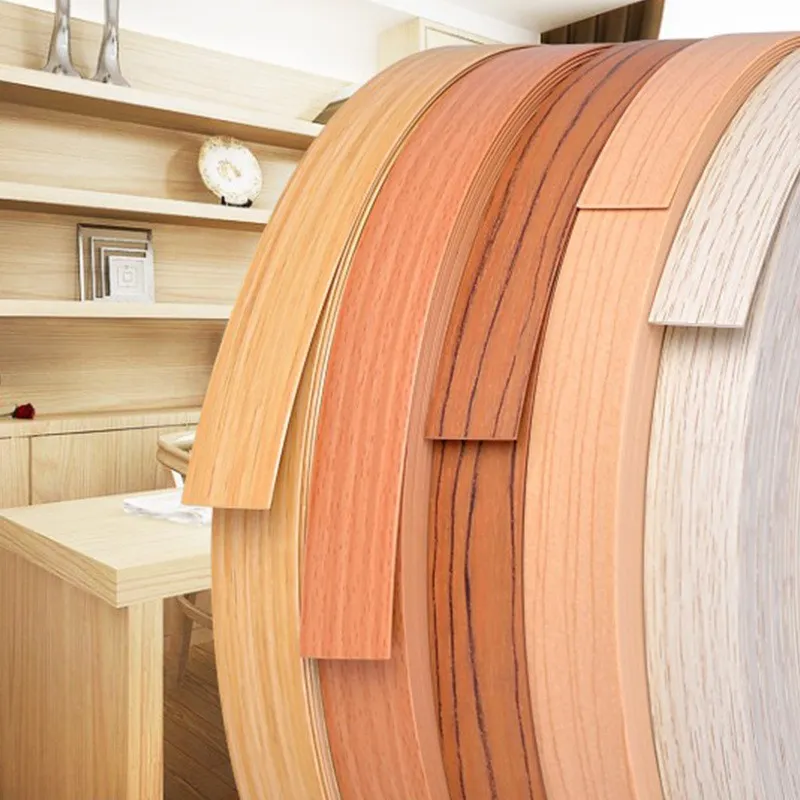

-
Increased Durability
As mentioned earlier, cupboard edge banding can protect the edges of your kitchen cabinets from damage. This can help to extend the lifespan of your cabinets and reduce the need for costly repairs or replacements. Additionally, edge banding can improve the structural integrity of the cabinets, making them more resistant to wear and tear. -
Customization
Cupboard edge banding offers a wide range of customization options, allowing you to create a unique and personalized look for your kitchen cabinets. You can choose from a variety of colors, finishes, and textures to match your cabinet style and decor. This can help to create a cohesive and stylish look in your kitchen.
How to Choose the Right Cupboard Edge Banding for Your Kitchen Cupboards
-
Consider the Material
The material of the edge banding is an important factor to consider. Different materials have different properties, such as durability, flexibility, and resistance to moisture. For example, PVC edge banding is a popular choice for its affordability and durability, while real wood edge banding offers a more natural and luxurious look. -
Match the Color and Finish
It is important to choose an edge banding that matches the color and finish of your kitchen cabinets. This can help to create a seamless and cohesive look in your kitchen. You can choose from a variety of colors and finishes, such as matte, gloss, and textured, to match your cabinet style and decor. -
Consider the Thickness
The thickness of the edge banding can also affect its appearance and durability. Thicker edge banding is generally more durable and can provide a more substantial look, while thinner edge banding is more flexible and can be easier to install.
Installation of Cupboard Edge Banding
Installing cupboard edge banding is a relatively simple process that can be done by homeowners with basic DIY skills. Here are the general steps for installing edge banding:
-
Prepare the Surface
Clean the edges of the cabinet panels thoroughly to remove any dirt, dust, or debris. This will ensure that the edge banding adheres properly to the surface. -
Cut the Edge Banding
Measure the length of the cabinet edges and cut the edge banding to the appropriate length. Use a sharp utility knife or a band saw to make the cuts. -
Apply the Adhesive
Apply a thin layer of adhesive to the back of the edge banding. You can use a brush or a roller to apply the adhesive evenly. -
Attach the Edge Banding
Place the edge banding on the edge of the cabinet panel and press it firmly into place. Use a roller or a heat gun to apply pressure and ensure that the edge banding adheres properly to the surface. -
Trim the Excess
Use a sharp utility knife or a band saw to trim the excess edge banding from the ends of the cabinet panels.
Conclusion
In conclusion, using cupboard edge banding on kitchen cupboards is a great way to enhance the aesthetics, protect the cabinets, and increase their durability. There are a variety of types of edge banding available, each with its own unique properties and benefits. By choosing the right edge banding for your kitchen cabinets and following the proper installation procedures, you can create a beautiful and functional kitchen that will last for years to come.
If you are interested in purchasing cupboard edge banding for your kitchen cupboards, please feel free to contact us. We offer a wide range of high-quality edge banding products at competitive prices. Our team of experts can help you choose the right edge banding for your needs and provide you with installation guidance and support.
References
- Smith, J. (2020). The Benefits of Using Edge Banding in Kitchen Cabinets. Kitchen Design Magazine.
- Johnson, A. (2019). Choosing the Right Edge Banding for Your Kitchen. Home Improvement Today.
- Brown, C. (2018). How to Install Edge Banding on Kitchen Cabinets. DIY Home Projects.